First Responder Comprehensive Addiction and Recovery Act (FR-CARA) Project Evaluation
Background
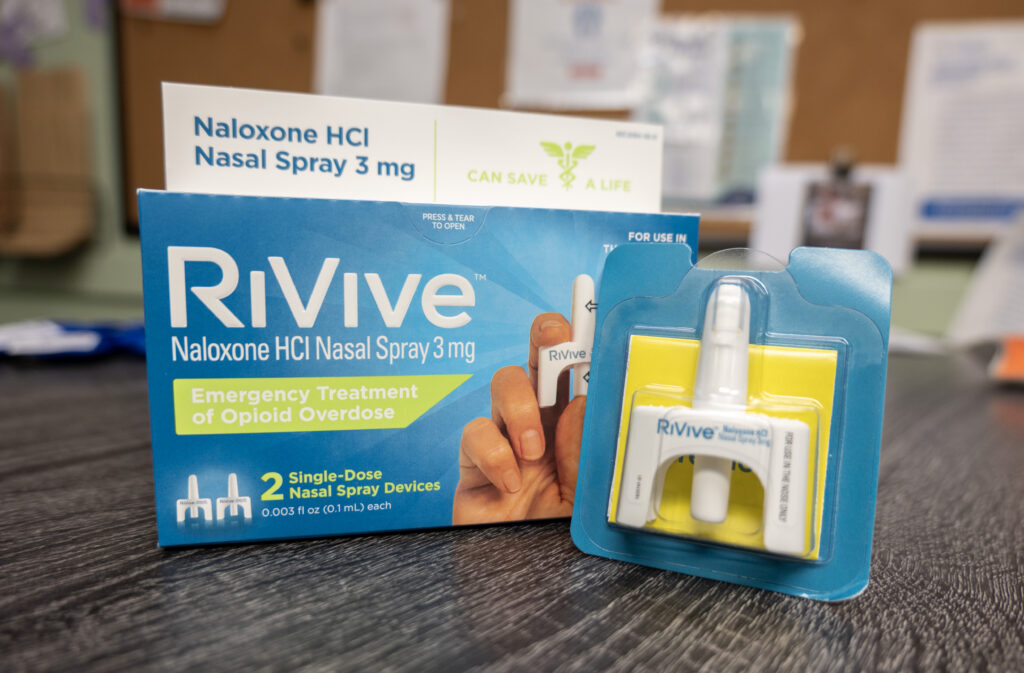
The First Responder Comprehensive Addiction and Recovery Act (FR-CARA) program supports fire and EMS agencies in responding to the ongoing overdose crisis through evidence-based overdose prevention and post-overdose interventions. In King County, FR-CARA funding has been used to implement and expand programs such as leave-behind naloxone (LBN), which enables first responders to distribute naloxone kits directly to individuals at risk of overdose and their social networks. The program aims to increase community access to naloxone, reduce overdose-related harms, and strengthen connections to care and support services. Participating agencies have adapted implementation approaches to fit local operational needs, community contexts, and available resources. Ongoing evaluation efforts help identify barriers, facilitators, and opportunities to improve program effectiveness and sustainability.
Visit the SAMHSA website to learn more about FR-CARA: First Responders-Comprehensive Addiction and Recovery Act Grants | SAMHSA
Evaluation Goals:
- Understand program reach, adoption, and fidelity across participating fire departments through collaborating with PHSKC.
- Identify key barriers and facilitators at individual and organization levels.
- Evaluate experiences with and perceptions of effectiveness of LBN.
READU’s Role:
The Research Expert Advisors on Drug Use (READU) team at the University of Washington is partnering with Public Health – Seattle & King County to evaluate implementation of the Leave-Behind Naloxone (LBN) program across participating fire and EMS agencies. READU brings lived experiences and expertise in substance use research, program evaluation, and community-engaged approaches, using interviews, surveys, and collaborative workshops to identify implementation successes, challenges, and opportunities for improvement. Findings from this evaluation will help inform future program planning, training, and sustainability.
Evaluation Phase
This evaluation examined the implementation of Leave Behind Naloxone (LBN) programs across participating Fire/EMS agencies. Evaluation activities included reviewing program materials and implementation documents, conducting semi-structured interviews with Fire/EMS leaders, frontline personnel, and MIH staff, and facilitating a co-design workshop to validate findings and gather additional perspectives on implementation challenges, successes, and future needs. Findings from these activities will be synthesized into reports and recommendations for Public Health – Seattle & King County and participating agencies to support program improvement, sustainability, and future decision-making. Evaluation findings may also inform the development and pilot testing of training and implementation support resources for Fire/EMS agencies implementing LBN programs.
Funders
Contact
READU Project Lead: Theresa Hwee
Email: thwee@uw.edu
PHSKC Project Lead: Samara Jamison-Heydon
Email: sjamisonheydon@kingcounty.gov
Photo credit: UW ADAI Empathy Lens Collection